

About the Issues
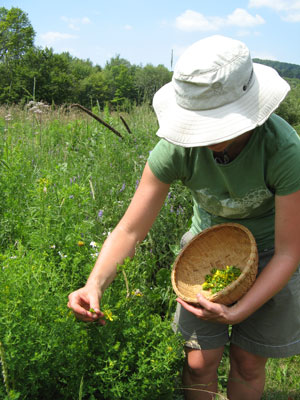
photo by Larken Bunce
Community-Based Medicine
Information about environmental toxins can be overwhelming. As Rosemary Gladstar told us:
I think it is important to be informed. I don't want to be an ostrich living on my mountain, digging a hole and putting my head in, but I can only take in so much information; otherwise I start to believe I can't do anything. That's what I see. I see so many people who have bought into the fear, forgetting how powerful we are. We're forgetting that we actually are transformers, that we can change this."
Herbalists are transformers, working in their communities to create locally based systems of healing using the plants and resources from their area. Herbal medicine, backyard medicine, kitchen medicine, whatever you choose to call it is the basic knowledge everyone once needed about how to care for themselves and their families with the plants, food, herbs, and spices they used daily. This is the kind of care and knowledge we hope to promote.
In emergencies, nothing beats having the ability to use the plants growing out your back door or dried in your spice cupboard to keep those you love well. This is community healthcare resilience at its finest.
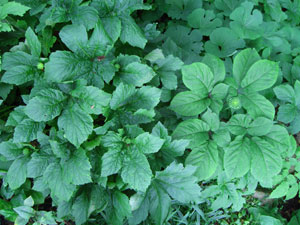
photo by Sandra Lory
Below are some questions to begin conversations about how a sustainable system of healthcare might look in your community. A screening of Numen or a series of film screenings on related topics can help set the context. These questions can help your community build on the awareness raised by these films.
- What locally based sources of medicine already exist in your community?
- How can you strengthen those systems and educate more people about how to use these remedies?
- What are some simple health and wellness tools for improving individual health and therefore decreasing pressure on a community's existing healthcare system?
- What needs aren't being met in your community and what can you do to meet them now, while you can plan?
For additional information and resources, go to Transition United States.
Some questions for leading discussions about what herbalism can offer to the process of creating sustainable medicine in your community:
- What botanical medicines and wild foods grow in your region?
- What are these plants used for?
- How can you make medicine from these plants?
- If you don't know the answers to these questions, who in your community does?
- Are there CSAs in your community that might include some of these plants in their CSA shares? Can herbalists in your community offer classes through the CSA, instructing members how to use these plants as medicine? Or can you create simple handouts that go out with a weekly CSA newsletter? Feel free to use the handouts we've included in our resource guide—just make sure to credit the herbalists who wrote them!
- What about creating an herbal CSA? There are a small but growing number of herbal apothecaries offering medicinal herb shares. Goldthread in Florence, Massachusetts, is one of the first to create a new model of community-supported medicine.
- If one doesn't already exist in your community, what about creating healing networks where the focus of the practitioners is on preventative health and well-being? The Vermont Healers network is a good model.
